
Beginners Guides: 7 Powerful Tips for Smarter Driving
Explore practical beginners guides to car maintenance, tire pressure, dashboard warning lights, vehicle safety, and smart automotive buying decisions. Learn the essentials before your next drive or vehicle purchase.

Learn the Basics
Understand everyday car ownership.
Improve Safety
Know what to check before driving.
Spend Wisely
Compare products and ownership costs.
Beginners Guides for Everyday Car Owners
Learning about a vehicle does not have to be complicated. These beginners guides explain essential automotive topics in a clear, practical way, helping you understand routine maintenance, tire care, dashboard warnings, and vehicle safety.
Every vehicle has different maintenance requirements. Always check the owner’s manual for model-specific instructions, follow the manufacturer’s recommendations, and seek professional assistance when a problem affects vehicle safety.
Explore This Guide
7 Essential Beginners Guides to Explore
Start with the topic that matches your needs and build your automotive knowledge one step at a time.
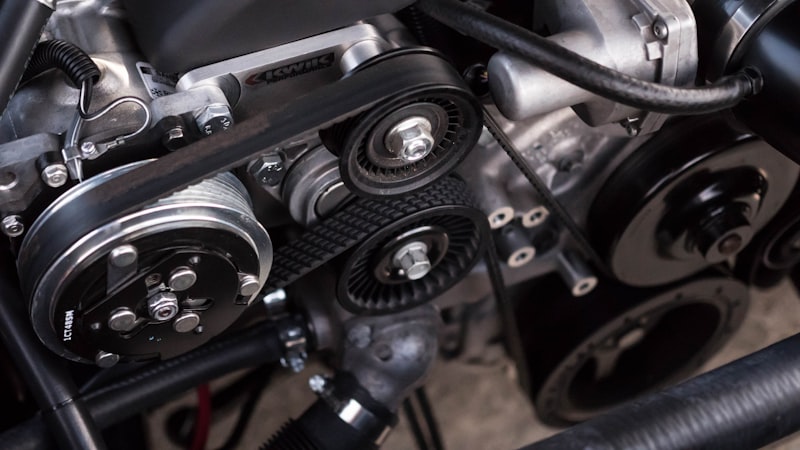
1. Car Maintenance Basics
Understand service schedules, fluid checks, and routine inspections.
Read the guide →
2. Tire Pressure and Care
Learn where to find recommended tire pressure and inspect tire condition.
Read the guide →
3. Dashboard Warning Lights
Learn why warning indicators matter and when to seek assistance.
Read the guide →
4. Everyday Driving Safety
Review useful checks to complete before setting off on a journey.
Read the guide →
5. Choosing Car Products
Compare compatibility, features, warranty terms, and value.
Read the guide →
6. Plan Your Car Budget
Consider purchase price, maintenance, insurance, and running costs.
Read the guide →7. Compare Before You Buy
Explore product comparisons to understand features, limitations, and costs.
Explore Comparisons →Car Maintenance Basics Every Beginner Should Know
Routine maintenance helps you monitor your vehicle’s condition and identify potential problems. The correct schedule depends on the vehicle model, mileage, age, and driving conditions.
- Follow the service schedule in your owner’s manual.
- Use the specified engine oil and approved fluids.
- Inspect lights, wipers, and visible tire condition.
- Keep maintenance records and investigate unusual changes.

Understand Tire Pressure and Tire Condition
Correct tire pressure supports predictable handling and helps prevent unnecessary tire wear. Check pressure when the tires are cold and use the recommended values shown on your vehicle’s tire-information label or in its owner’s manual.
Inspect for visible damage, unusual wear, or embedded objects. The maximum pressure printed on a tire sidewall is not a replacement for the vehicle manufacturer’s recommendation.

What to Do When a Dashboard Warning Light Appears
Dashboard indicators can alert you to routine maintenance needs or a serious vehicle fault. Their meaning varies by vehicle, so check the owner’s manual for the exact symbol and instructions.
If a warning indicates a serious safety or mechanical problem, stop in a safe location when appropriate and contact qualified roadside assistance or a technician. Do not ignore critical warnings simply because the vehicle still moves.

Build Safer Habits Before Every Drive
A few basic checks can help you prepare for a journey. Adjust your mirrors and seating position, fasten your seat belt, check visibility, and make sure essential lights are working.
Keep your attention on driving, follow local traffic laws, and use child restraints and other safety equipment as directed. Never attempt to inspect or repair a vehicle in an unsafe location.
Visit NHTSA Safety Resources →
How to Choose the Right Automotive Products
Choose products based on your actual needs instead of relying on advertising claims alone. Check vehicle compatibility, product specifications, installation requirements, warranty coverage, and return conditions before purchasing.
Compare independent feedback with manufacturer information. A product that works for one vehicle or driver may not be suitable for another.
Explore Car Accessories → Read Product Reviews →
Plan a Realistic Vehicle Ownership Budget
A vehicle’s total cost is more than its purchase price. Depending on where you live and the vehicle you choose, account for fuel, insurance, registration, scheduled servicing, tires, repairs, and other recurring expenses. Compare options within a budget that leaves room for unexpected costs.
Compare Your Options →Beginners Guides: Frequently Asked Questions
Quick answers to common questions about learning car ownership.
What should a beginner learn about cars first?
Start with your owner’s manual, routine maintenance, recommended tire pressure, dashboard warning lights, and basic driving safety.
How often should I service my car?
Follow the maintenance intervals specified by the vehicle manufacturer. Service needs vary by model, mileage, age, and operating conditions.
How can I choose the right car accessories?
Confirm compatibility with your vehicle and compare specifications, installation requirements, safety, warranty, reviews, and total cost.
Where can I find reliable vehicle safety information?
Start with your owner’s manual and official safety resources such as the NHTSA website. Consult a qualified professional for vehicle-specific concerns.
Learn More. Compare Better. Drive Smarter.
Continue exploring practical automotive advice to make informed decisions about your vehicle, maintenance, and accessories.