
Car Maintenance Tips: Step-by-Step How-to Guides for Every Driver
Explore practical car maintenance tips and easy-to-follow how-to guides for cleaning, DIY repairs, troubleshooting, and overall vehicle care.
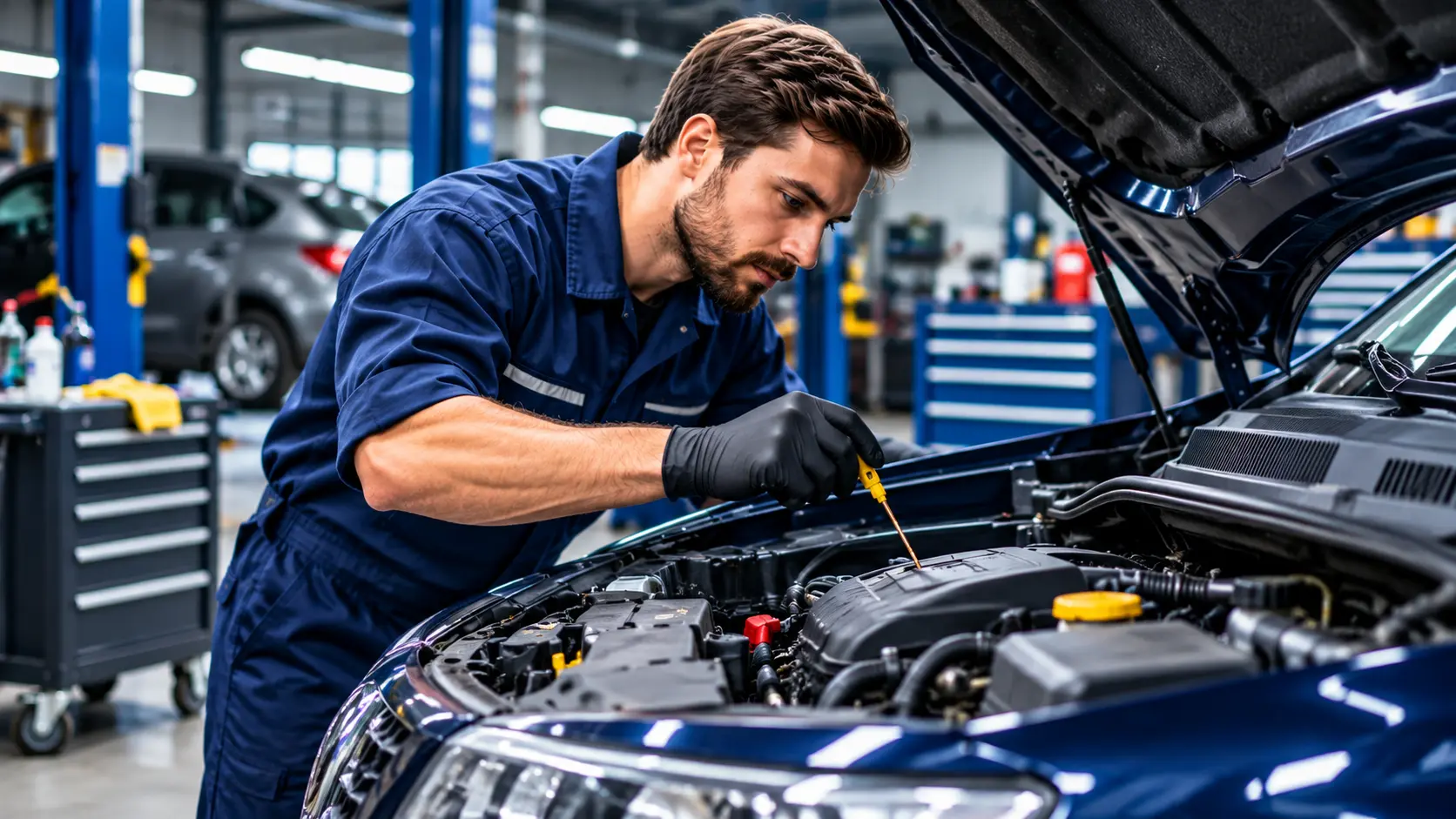
Explore Car Maintenance Tips by Category
Browse our automotive how-to guides by topic. Whether you want to maintain your vehicle, clean its interior, handle simple repairs, or troubleshoot common problems, find practical information in the category that fits your needs.
Car Maintenance
Learn about engine oil, filters, tires, servicing and routine vehicle maintenance.
Cleaning & Detailing
Explore car washing, interior cleaning, waxing, polishing and paint protection.
DIY Car Repairs
Discover practical guides for simple repairs and basic vehicle maintenance tasks.
Troubleshooting
Understand common car problems, warning lights, unusual noises and possible solutions.
Choose a category to explore all available step-by-step guides.
More Car Maintenance Tips & How-to Guides
Looking for practical car maintenance tips? Explore our latest step-by-step guides for vehicle care, cleaning, DIY repairs, and troubleshooting. Follow your vehicle owner’s manual for model-specific maintenance instructions.
For additional vehicle safety and maintenance information, read the NHTSA vehicle maintenance guide .
More Guides Coming Soon
New practical how-to guides will appear here as they are published.
Your Complete Guide to Car Maintenance
Taking care of your vehicle is important for safety, reliability, and long-term performance. Regular inspections and simple maintenance tasks can help identify small problems before they become expensive repairs. These car maintenance tips are designed to help everyday drivers understand basic vehicle care and make better maintenance decisions.
Why Regular Car Maintenance Matters
Every vehicle needs regular attention to operate properly. Over time, engine oil becomes dirty, tires lose pressure, and different components experience normal wear. Ignoring these changes may affect vehicle performance and safety.
Routine inspections help drivers notice warning signs early. For example, checking tire pressure can help maintain proper handling and tire life. Checking engine oil can help protect important engine components. Replacing worn windshield wipers can also improve visibility during rainy weather.
Another benefit of regular vehicle care is better preparation for unexpected situations. A well-maintained vehicle is easier to monitor, and keeping service records helps you understand which components may need attention next.
Essential Car Maintenance Checklist
You do not need professional equipment to perform every basic inspection. Many simple checks can be completed at home by following the vehicle owner’s manual.
1. Check Engine Oil
Park your vehicle on level ground and follow the manufacturer’s instructions for checking the oil. Inspect the dipstick and confirm that the oil level is within the recommended range. Use the correct oil grade specified for your vehicle.
2. Inspect Tire Pressure
Check tire pressure when the tires are cold. Compare the readings with the recommended pressure shown on the vehicle information label or owner’s manual. Do not rely on the maximum pressure printed on the tire sidewall as the recommended operating pressure.
3. Check Brakes and Brake Fluid
Pay attention to unusual brake noises, vibrations, warning lights, or changes in pedal feel. Check brake fluid only according to the manufacturer’s instructions. If you notice a braking problem, arrange a professional inspection promptly.
4. Inspect Lights and Wipers
Make sure headlights, brake lights, turn signals, and other exterior lights work correctly. Check windshield wipers for cracks or streaking and replace worn blades when necessary.
How Often Should You Maintain Your Car?
Maintenance schedules vary depending on the vehicle, engine, driving conditions, and manufacturer’s recommendations. There is no single schedule that works for every car.
Review your owner’s manual for service intervals covering engine oil, filters, tires, brakes, coolant, and other important components. If you frequently drive in heavy traffic, dusty environments, extreme temperatures, or on rough roads, your vehicle may require more frequent inspections.
Keeping a simple maintenance record is also helpful. Write down the service date, mileage, parts replaced, and any issues noticed. This makes it easier to plan future maintenance and communicate with a mechanic.
When Should You Visit a Professional Mechanic?
Some vehicle problems require professional tools and technical knowledge. Do not ignore warning lights, fluid leaks, overheating, unusual engine noises, steering problems, or changes in braking performance.
If your vehicle overheats, develops a serious braking issue, or shows another potentially dangerous symptom, stop driving when it is safe to do so and seek professional assistance. Attempting complex repairs without the right experience can create additional problems.
Learning basic vehicle care can help you make informed decisions, but always follow your vehicle manufacturer’s instructions. Explore our car maintenance guides, cleaning tutorials, and DIY repair guides to learn more about looking after your vehicle.